
GoFilms4u
207 Malayalam films from 2000 to 2015: star comedies, family films, love stories and the first films of a new generation.
GoFilms4u
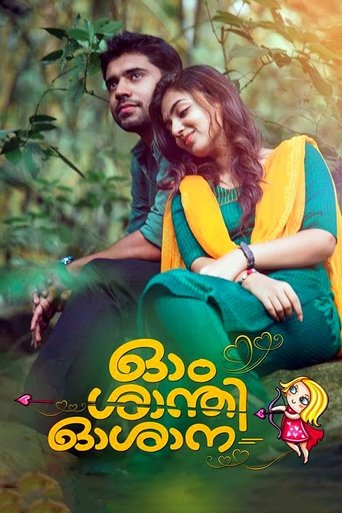 HD2014Ohm Shanthi Oshaana
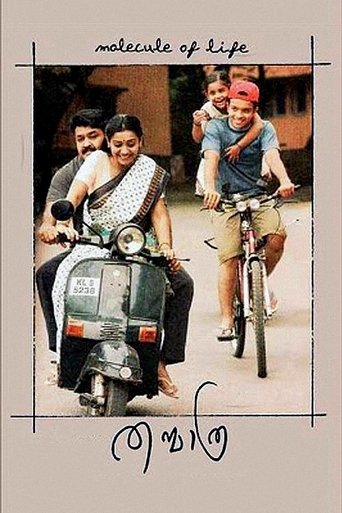 HD2005Thanmathra
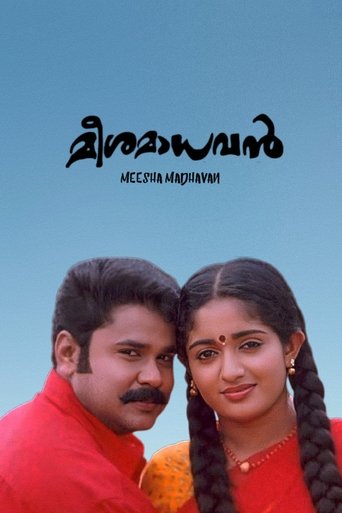 HD2002Meesa Madhavan
 HD20141983
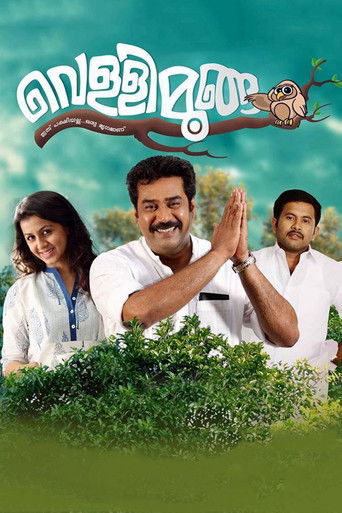 HD2014Vellimoonga
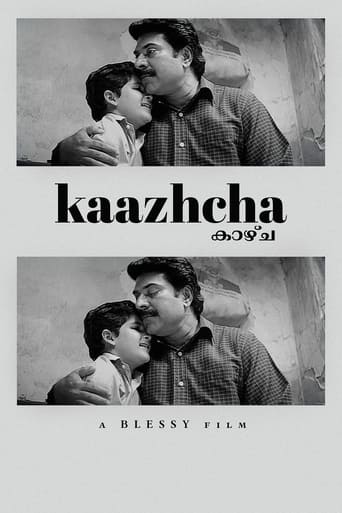 HD2004Kaazhcha
Top viewed
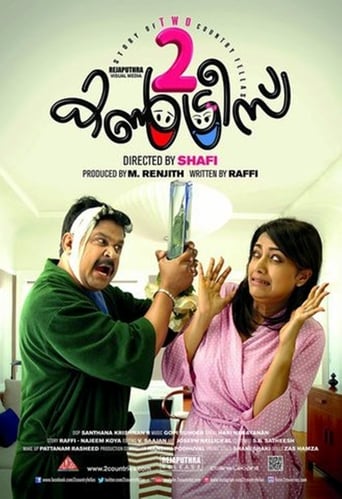 HD20152 Countries
 HD2015Oru Vadakkan Selfie
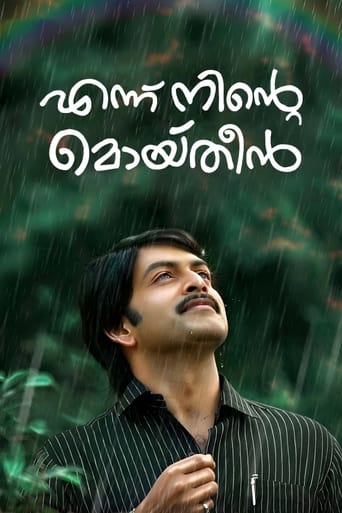 HD2015Ennu Ninte Moideen
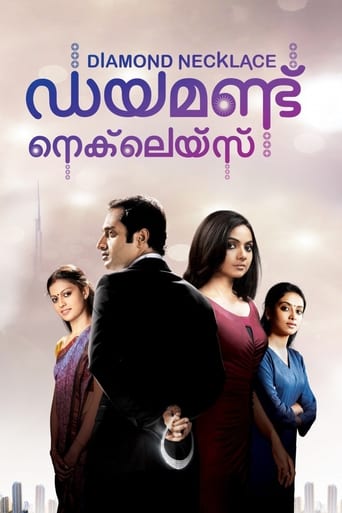 HD2012Diamond Necklace
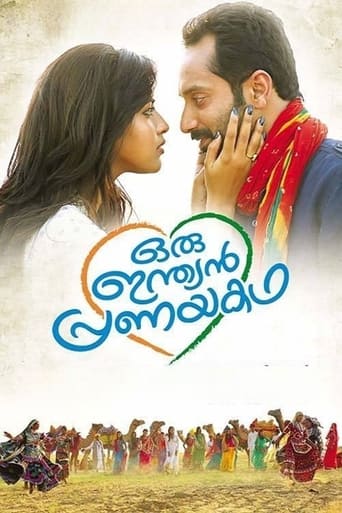 HD2013Oru Indian Pranayakadha
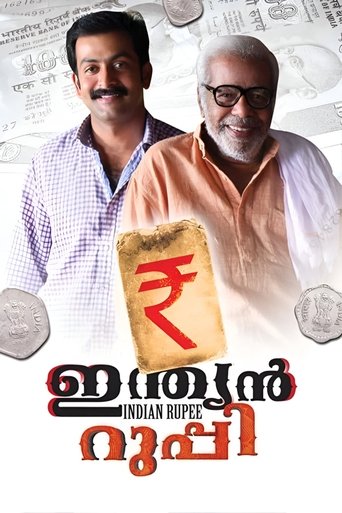 HD2011Indian Rupee
Top rating
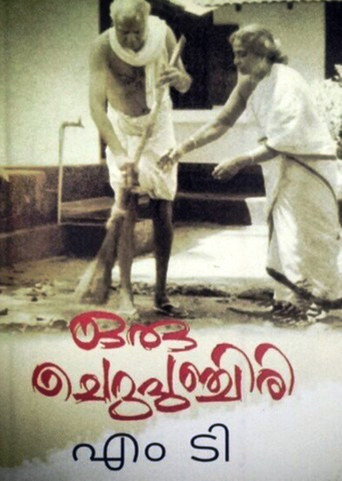 HD2000Oru Cheru Punchiri
 HD2012Ozhimuri
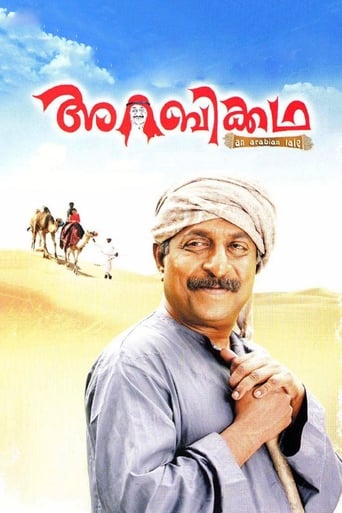 HD2007Arabikkatha
 HD2014Ottaal
 HD2001Narendran Makan Jayakanthan Vaka
 HD2005Rajamanikyam
Latest Movies
View more » HD2015RockStar
 HD2015Su.. Su... Sudhi Vathmeekam
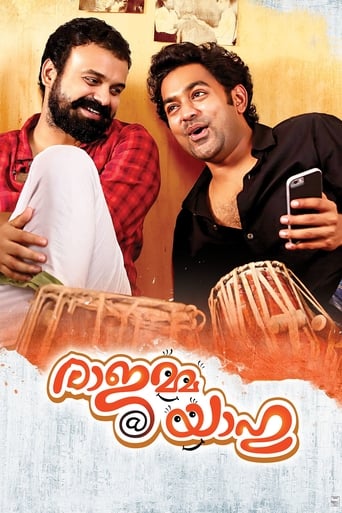 HD2015Rajamma @ Yahoo
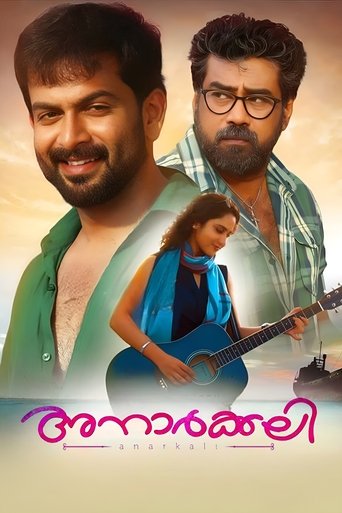 HD2015Anarkali
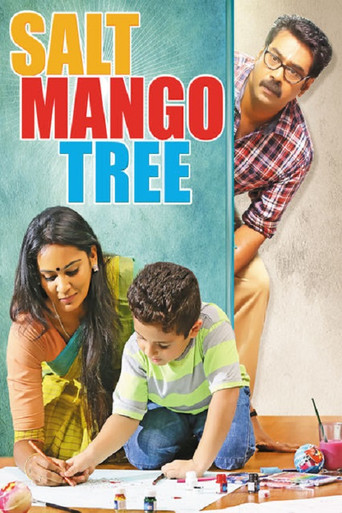 HD2015Salt Mango Tree
 HD2015Rani Padmini
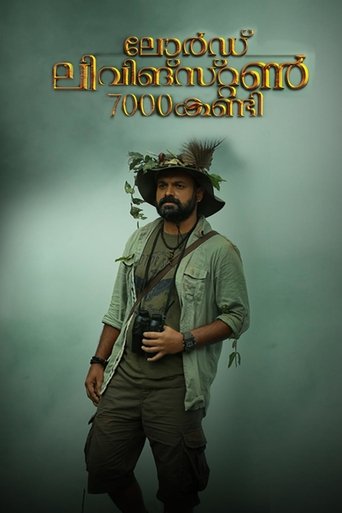 HD2015Lord Livingstone 7000 Kandi
 HD2015Life of Josutty
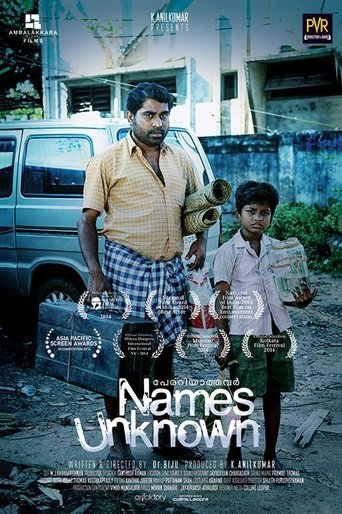 HD2015Names Unknown
 HD2015Kunjiramayanam
Comedy Movies
View more »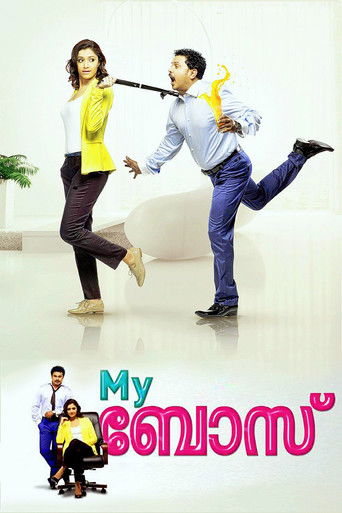 HD2012My Boss
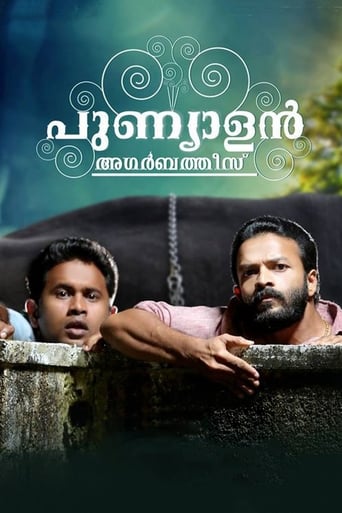 HD2013Punyalan Agarbattis
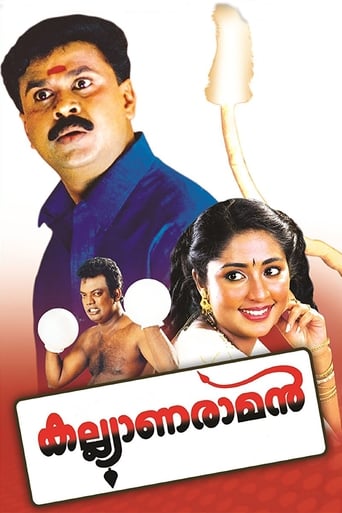 HD2002Kalyanaraman
 HD2012Ordinary
 HD2010Bodyguard
 HD2015Bhaskar The Rascal
 HD2014Salalah Mobiles
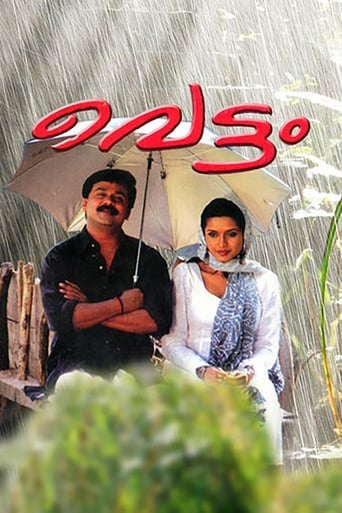 HD2004Vettam
Shelves
Help
Malayalam cinema, 2000 to 2015: the GoFilms4u guide
GoFilms4u: Malayalam films of 2000 to 2015 in English, from Meesa Madhavan, Thanmathra, Kaazhcha and Rajamanikyam to Ohm Shanthi Oshaana, 1983, Vellimoonga and Celluloid
The years from 2000 to 2015 were a time of change in the cinema of Kerala. At the start of the century, Malayalam films belonged to a handful of beloved stars and to directors who had been at work since the 1980s; by the end, a new generation of writers, directors and actors had arrived, and with them the fresh, realistic style that has since made Malayalam cinema famous across India. In between came some of the funniest comedies and some of the most moving family dramas the industry has produced. GoFilms4u is an English guide to those fifteen years: 207 Malayalam films, each with its own page, its story in English, its year, its running time and a Watch now button that leads to the official services carrying it in your country.
The catalogue has been chosen by hand for family viewing. It gathers the star comedies of Dileep and Jayasurya, the village stories of Sathyan Anthikad and Lal Jose, the great performances of Mammootty and Mohanlal and the first successes of Fahadh Faasil and Nivin Pauly. The action films and thrillers of the period belong to other guides.
The sections below are a relaxed tour: how the site is laid out, the comedies, the two legends, the masters of the family film, the serious dramas, the love stories, the new generation and a few plans for a first week. Each section links to a short help page, and the How to watch page sums up the simple steps from a poster to the official service.
How GoFilms4u looks
GoFilms4u keeps the look of the site it is named after, a bright film library in white, grey and purple. The header is a white bar with a soft shadow. At its left is the logo, a purple square with a white play arrow beside the name; in the middle is the menu, with links to Home, Movies, Comedy, Family, Romance, Top Rated, the A to Z list and Help, and a purple line under the page you are on; at the right are a rounded search box and a purple Favorite button that opens My List. On a phone, the menu folds into a purple three-line button.
The page beneath is pale grey, and the content sits in white panels with rounded corners. The first holds the main heading and a line about the catalogue. Each of the panels that follow has a title in the form of a purple label that rises a little above the top edge of the panel, like the tab of a folder, a detail taken from the original design. Beside the first label are three small tabs, Featured, Top viewed and Top rating, each leading to a row of six posters.
Every poster has rounded corners, a small purple tag at the top right, the year in a dark tag at the top left and the title in white across a dark band at the foot. The panels Latest Movies and Comedy Movies hold twelve posters each, with a View more link at the right of the title. A panel named Shelves lists every shelf as a small button with its number of films in purple, followed by the help pages, and the last panel holds this guide. The footer is dark, in three columns, as it was on the original site.
The purple, in its several shades, the tab-shaped titles, the tags on the posters and the arrangement of the panels and footer were taken from a saved copy of the original site from August 2020. Its main style sheet was lost, so the white header and pale page follow the light version of the theme it used. The purple of the lettering has been deepened slightly so that it is easy to read, and the page works with a keyboard, a screen reader and a small phone screen.
The comedies
Comedy ruled the Malayalam box office in these years. The Comedy shelf holds 114 films, more than half the catalogue, and the Comedy help page picks out the essentials.
Meesa Madhavan, from 2002, directed by Lal Jose, is the comedy that defined the decade. Madhavan is the cleverest thief in the village of Cheppu, and everyone knows that if he twirls his moustache while looking at your house, you will be robbed that night. He steals only to pay his family's debts to the grasping moneylender Bhageerathan Pillai, whose daughter Rukmini is his sworn enemy and, before long, his sweetheart. Then the idol of the village temple disappears, and Madhavan must find the real culprit to clear his name. Dileep and Kavya Madhavan became the favourite screen pair of Kerala, and Jagathy Sreekumar, as the moneylender, is comic perfection.
Dileep, a former mimicry artist with the timing of a silent-film clown, was the most popular star of the period, and the Dileep shelf holds 39 of his films; the Dileep help page is a short guide. In Kalyanaraman, from 2002, he plays a cheerful wedding planner who falls in love at one of the weddings he arranges. In Kunjikkoonan, he plays two parts, a kind-hearted man with a bent back and a handsome student. Chanthupottu, from 2005, casts him as a young man raised by his grandmother with the manners of a girl, who has to find his own way of being a man, and Pachakuthira, from 2006, as a small-time actor who discovers that he has a brother brought up in Germany.
His comedies kept coming. Thenkasipattanam, from 2000, is a tangle of friendships and secret loves in a market town; Vettam, directed by Priyadarshan, is a chase through a hill-station hotel after a stolen necklace; Vinodayathra, directed by Sathyan Anthikad, sends an idle young man to live with his sister in a village, where he learns to grow up; Bodyguard, from 2010, directed by Siddique, is the story of an earnest bodyguard and the college girl he is assigned to protect, a film so successful that it was remade in Tamil and Hindi. My Boss, Sound Thoma, Ezhu Sundara Rathrikal, Life of Josutty and 2 Countries, from 2015, in which a schemer from Kerala finds himself married and living in Canada, belong to the later years.
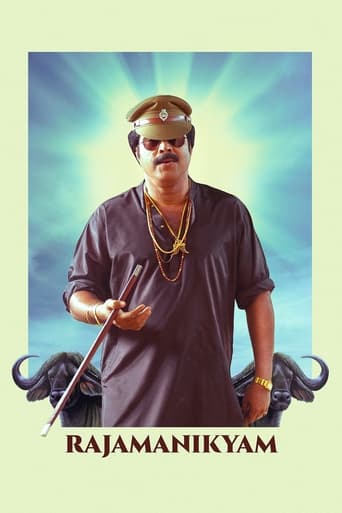
Mammootty, the senior star, showed an unexpected gift for comedy in Rajamanikyam, from 2005, the first film of the director Anwar Rasheed. He plays Bellary Raja, a cattle dealer with gold chains, dark glasses and the broad accent of Thiruvananthapuram, who was turned out of his stepfather's house as a boy and returns as a rich man to settle the family's quarrels. The accent alone had audiences helpless with laughter, and the film broke box-office records. Thommanum Makkalum, Thuruppugulan, Chronic Bachelor, Cobra and Proprietors: Kammath & Kammath, in which he and Dileep play brothers who run a chain of restaurants, are in the same broad style.
The director Shafi made eight of the comedies here, among them One Man Show, in which a man's whole future depends on a television quiz, Pulival Kalyanam, about two people whose mobile telephones are exchanged by accident, Chocolate, in which a young man played by Prithviraj wins a place at a women's college, and Makeup Man. Siddique, half of a famous comedy partnership of the 1990s, made Chronic Bachelor, Bodyguard and Bhaskar The Rascal, from 2015, in which the children of a hot-tempered widower and of a gentle widow decide that their parents should marry.
Quieter comedies arrived in the 2010s. Vellimoonga, from 2014, stars Biju Menon as Mamachan, a forty-year-old bachelor who has drifted into politics because of his father, belongs to a party with hardly any voters and has learned to turn every setback to his advantage. Punyalan Agarbattis, from 2013, directed by Ranjith Sankar, stars Jayasurya as a young man of Thrissur with a business plan: to make incense sticks from elephant dung, if only he can secure a supply. Salt Mango Tree, from 2015, follows a couple's desperate campaign to win their four-year-old a place at a good school, and Ordinary, from 2012, follows the conductor and driver of the one bus that climbs to a misty hill village.
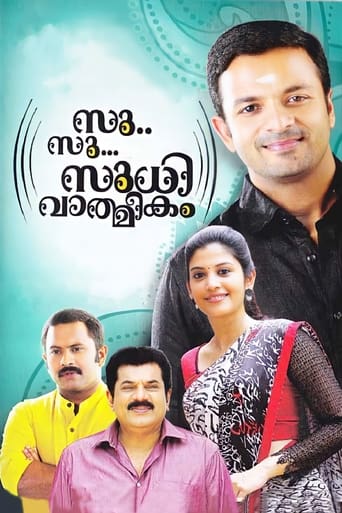
Jayasurya, who has 25 films in the catalogue, moved in these years from broad comedy to something subtler: see him as the village simpleton with a temporary government job in Janapriyan, as the helpful auto-rickshaw driver of Mathai Kuzhappakkaranalla and as the school clerk who struggles with his speech in Su.. Su... Sudhi Vathmeekam. Kunchacko Boban, with 23, is the boy next door of Swapnakoodu, Elsamma Enna Aankutty and Polytechnic, and Jayaram, with 18, is the harassed family man of Veruthe Oru Bharya, Bhagyadevatha and Sir C.P..
Mammootty and Mohanlal
For more than forty years, Malayalam cinema has had two leading men above all others. The Mammootty and Mohanlal shelf holds 40 of their films, and the Mammootty and Mohanlal help page offers a short introduction.
Thanmathra, from 2005, directed by Blessy, is one of Mohanlal's greatest performances. Ramesan Nair is a government clerk in Thiruvananthapuram with a loving wife, a daughter and a brilliant teenage son, on whom he has set all his hopes; he wants the boy to pass the civil service examination that he himself once failed. Then small things begin to slip from his memory: a file, a route home, the day of the week. The film follows the family with great tenderness as the illness advances, and it won five state awards and the national award for the best Malayalam film.
Mohanlal's lighter side is everywhere in the catalogue. In Rasathanthram, from 2006, he is a carpenter who shelters a runaway housemaid by passing her off as a boy apprentice; in Kilichundan Mambazham, directed by Priyadarshan, a young man returning from the Gulf to find his sweetheart married to another; in Balettan, the dependable eldest son who learns on his father's last day that there is a second family to look after; in Hariharan Pilla Happy Aanu, a builder chasing an unpaid bill; and in Life Is Beautiful, from 2000, an inspiring schoolteacher. Vadakkumnadhan, from 2006, in which he plays a brilliant scholar who vanishes on the eve of his wedding, and Pranayam, from 2011, a story of love in old age with Anupam Kher and Jaya Prada, show the depth he could reach.
Kaazhcha, from 2004, Blessy's first film, did the same for Mammootty. Madhavan travels the villages of Kuttanad with a projector, showing old films at festivals. One day a small boy attaches himself to the family: Pavan, who lost his home and parents in the Gujarat earthquake and speaks a language nobody understands. Madhavan and his wife and daughter take him in, and the film watches a family form across the barrier of language, until the authorities come to ask where the boy belongs. It is a film of great gentleness, and children love it.
Mammootty's other roles here are remarkably varied. In Loudspeaker, from 2009, he is Mike, a loud, cheerful villager who comes to the city to help a stranger in a hospital and shakes up a silent block of flats. In Karutha Pakshikal, he is a poor man who irons clothes for a living and saves every coin for the eyesight of his little daughter. In Palunku, a farmer moves to the city for his children's schooling; in Bus Conductor, he works on a town bus; in Varsham, from 2014, he is a moneylender in Thrissur changed by loss; in Kunjananthante Kada, a shopkeeper who refuses to give up his little shop; and in Balyakalasakhi, taken from the beloved novel by Vaikom Muhammad Basheer, a man looking back on the love of his childhood.
Sathyan Anthikad and the family film
If one director stands for the Malayalam family film, it is Sathyan Anthikad, and twelve of his films are listed here. The Sathyan Anthikad help page introduces them, and the Family shelf, with 104 films, and the Family films help page widen the view.
His films are set in recognisable houses and streets, among people who worry about school fees and bus timings, and they find their comedy and their feeling in ordinary life. Manassinakkare, from 2003, brought the actress Sheela back to the screen after many years as Kochu Thresia, a wealthy widow whose grown-up children find her childlike high spirits embarrassing, and who finds a friend in a young neighbour played by Jayaram. Achuvinte Amma, from 2005, is about a mother and daughter, played by Urvashi and Meera Jasmine, who are more like best friends, and the one question about the past that the mother refuses to answer.
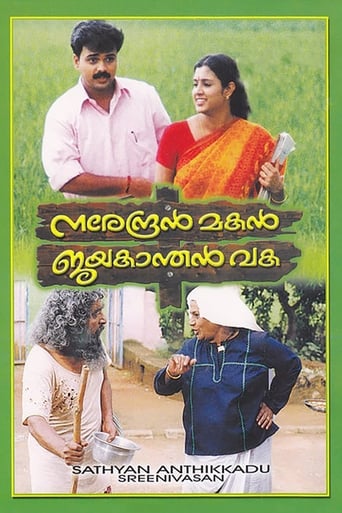
Yathrakarude Sradhakku, from 2002, begins on a train, where two strangers travel as husband and wife on a ticket booked for a married couple, and are then obliged to keep up the pretence. Narendran Makan Jayakanthan Vaka follows a young man who arrives from Tamil Nadu to sell his late father's land in a Kerala village and finds that the village has other ideas. Kochu Kochu Santhoshangal, Innathe Chintha Vishayam, about three marriages in trouble, Bhagyadevatha, about a cable-television operator with dreams of a rich dowry, Snehaveedu, in which a man who has come home to live quietly with his mother is surprised by a boy who claims to be his son, Oru Indian Pranayakadha, with Fahadh Faasil as an ambitious young politician, and Ennum Eppozhum, which reunited Mohanlal and Manju Warrier in 2015, carry the same signature.
Other directors worked in the same warm tradition. Veruthe Oru Bharya, from 2008, is about Sugunan, a husband who believes that a wife exists to cook and clean, and the day his wife Bindu decides to stop. Mummy & Me, from 2010, an early film by Jeethu Joseph, follows a mother and a teenage daughter who argue about everything. Makante Achan pairs the real-life father and son Sreenivasan and Vineeth Sreenivasan as a village officer who wants his son to be an engineer and a son who wants to sing. Molly Aunty Rocks!, with Revathi, sets a spirited woman just back from America against a rigid tax official, and How Old Are You, from 2014, in which Manju Warrier returned to the screen after fourteen years, follows a clerk of thirty-six who has given up her own ambitions for her husband and daughter and decides to find them again; her rooftop vegetable garden started a small fashion across Kerala.
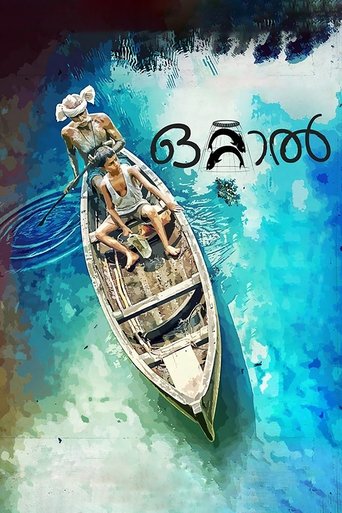
For children, the For children help page suggests Philips and the Monkey Pen, from 2013, in which Ryan, a schoolboy who struggles with mathematics, is given an old pen that seems to do his homework for him; T.D. Dasan Std. VI B, from 2010, about a village boy who writes a letter to the father he has yet to meet, and the girl in the city who answers it; and Ottaal, from 2014, directed by Jayaraj, which moves a famous short story by Chekhov to the backwaters of Kuttanad, where a boy and his grandfather herd ducks. It won the national award for the best film on the environment and a prize for children's films at Berlin.
Great film-makers
The Great film-makers shelf holds 56 films by the leading directors of the period, and the Great film-makers help page describes them.
Lal Jose, who made nine of the films here, has a rare ability to combine popular entertainment with real feeling. After Meesa Madhavan and Chanthupottu came Arabikkatha, from 2007, in which Sreenivasan plays Cuba Mukundan, a village communist of iron principles who is obliged to take a job in Dubai, the capital of everything he disapproves of. Diamond Necklace, from 2012, also set in Dubai, follows a young doctor, played by Fahadh Faasil, who lives far beyond his means and learns responsibility from three women. Elsamma Enna Aankutty is about a village girl who delivers newspapers and runs her family like a man, Spanish Masala goes to Spain, and Immanuel, from 2013, stars Mammootty as a decent man who takes a job at a hard-hearted insurance company.
Blessy made only four films in the period, and all four are here: Kaazhcha, Thanmathra, Palunku and Pranayam. Kamal, a veteran, made Madhuranombarakattu, Nammal, a college story of 2002, Swapnakoodu, Pachakuthira, Karutha Pakshikal, Swapna Sanchari, about a man who returns rich from the Gulf and loves to show off, and Celluloid, from 2013. The last is the story of J. C. Daniel, a young man of Travancore who sold his land in the 1920s to make the first Malayalam film, and of P. K. Rosy, its heroine, and what became of them; Prithviraj plays Daniel, and the film won the national award for the best Malayalam film.
Ranjith, a writer turned director, made Nandanam, from 2002, a romance about a devout young housemaid that introduced the actor Prithviraj; Chandrolsavam; Thirakkatha, from 2008, about a film-maker who sets out to tell the story of a forgotten actress; and Indian Rupee, from 2011, in which a small property broker dreams of one big deal, with the veteran Thilakan in a memorable part. He also produced Kerala Cafe, from 2009, in which ten directors each made a short film connected with a railway station café, a landmark for the new generation.
The serious cinema of Kerala is represented by a few carefully chosen films. Adaminte Makan Abu, from 2011, the first film of Salim Ahamed, follows Abu, an old seller of perfumes, and his wife, who have saved for years to make the pilgrimage to Mecca and will go only if every rupee has been honestly earned. It won the national award for the best film and was India's entry for the Academy Awards. Four Women, by the great Adoor Gopalakrishnan, tells four stories of women in Kuttanad, from the writings of Thakazhi. Oru Cheru Punchiri, from 2000, directed by the writer M. T. Vasudevan Nair, is a tender picture of an old couple on their small farm, and Ozhimuri, Bioscope, Names Unknown and Njaan are for viewers who enjoy thoughtful drama.
Love stories
The Love stories shelf holds 68 films, and the Love stories help page suggests where to begin.
Ohm Shanthi Oshaana, from 2014, the first film of Jude Anthany Joseph, tells a love story from the girl's side, which was new. Pooja Mathew, a tomboy who rides a motorcycle and is the despair of her doctor father, decides at seventeen that she will choose her own husband, and chooses Giri, a serious young farmer and martial-arts teacher who hardly notices her. The film follows her campaign over several years, narrated by Pooja herself with a great deal of humour. Nazriya Nazim became the darling of Kerala, and Nivin Pauly and Aju Varghese give fine support.
Ennu Ninte Moideen, from 2015, is the opposite: a grand, sorrowful romance taken from real life. In the riverside town of Mukkam in the 1960s, Moideen, the son of a Muslim landowner, and Kanchanamala, the daughter of a Hindu family, fall in love and are kept apart by their families for more than twenty years, during which they write to each other in a secret language of their own. Prithviraj and Parvathy play them, the music was heard everywhere, and the film was one of the great successes of its year.
Anarkali, from 2015, sends a former navy diver to the islands of Lakshadweep in search of the woman he has waited for since his youth. Pranayam brings together, in old age, a man, his former wife and her husband, in a story of rare maturity. Arike, directed by Shyamaprasad, and Violin, Cycle, Lollipop, Doctor Love, in which a romantic adviser to a whole college meets his match, Pattam Pole, Salalah Mobiles, with Dulquer Salmaan as the owner of a small telephone shop, and Ormayundo Ee Mukham, about a young woman whose memory lasts only a day, are lighter stories.
The early years of the century had their own style of romance, gentle and musical. Swapnakoodu, from 2003, follows three hotel-management students in Pondicherry and the two sisters who own the house where they lodge; Nammal introduced Bhavana; Ishtam introduced Navya Nair in a story about a son who helps his widowed father to find love again; Kasthooriman, Priyam, Dhosth, Kaiyethum Doorath, the first film of Fahadh Faasil, and Nakshathrakkannulla Rajakumaran Avanundoru Rajakumari, whose title is as long as a sentence, belong to that time.
Leading men
The Leading men shelf holds 93 films with the stars who stood beside the two legends, and the Leading men help page follows them.
Prithviraj, who appears in 19 films, arrived as a teenager in Nandanam and became the most ambitious actor of his generation. Vellithira and Chocolate show the young star; Manikyakallu, from 2011, in which he plays a teacher who transforms a failing village school, Indian Rupee, Celluloid and Ennu Ninte Moideen show the mature one. Jayasurya began in comedies such as Pulival Kalyanam and grew into Beautiful, from 2011, in which he plays a wealthy man who is paralysed from the neck down and full of mischief, opposite a musician played by Anoop Menon.
Fahadh Faasil's career is one of the remarkable stories of Indian cinema. His first film, Kaiyethum Doorath, in 2002, was a failure, and he left to study abroad. He returned at the end of the decade a changed actor, and Kerala Cafe, Diamond Necklace, Friday, Natholi Oru Cheriya Meenalla, in which the caretaker of a block of flats writes a story to get even with a tenant, Artist, Immanuel and Oru Indian Pranayakadha made him a star. Nivin Pauly, an engineer who walked into an audition, made his first appearance in Malarvaadi Arts Club and became a leading man with Ohm Shanthi Oshaana, 1983 and Oru Vadakkan Selfie.
The supporting actors of Malayalam cinema are loved as much as its stars, and this period was their golden age. Jagathy Sreekumar, the greatest comedian of them all, appears in ten films here; Innocent, Nedumudi Venu, Mukesh, Lal, Sreenivasan, Salim Kumar, Harisree Ashokan, Cochin Haneefa, K. P. A. C. Lalitha and Sukumari appear again and again, and a regular viewer soon greets them as friends. Among the actresses, Kavya Madhavan, Navya Nair, Meera Jasmine, Bhavana, Mamta Mohandas and Padmapriya were the leading ladies of the 2000s.
The new generation
Around 2010, something shifted. A group of young film-makers, many of them friends, began to make films about people like themselves, with new actors, real locations and natural dialogue. The The new generation help page gathers their early work.
Malarvaadi Arts Club, from 2010, was the first film directed by Vineeth Sreenivasan, then a popular young singer. Five friends in a small town in northern Kerala spend their days at the local arts club, sure of themselves and of very little else, until music gives one of them a way out and tests the friendship of all. All five leads were newcomers chosen through auditions. Vineeth Sreenivasan also wrote Oru Vadakkan Selfie, from 2015, in which Umesh, an engineering student with more failed papers than he can count, runs away to Chennai to become a film director and posts a photograph online that he will come to regret.
1983, from 2014, the first film of Abrid Shine, is a love letter to cricket. Rameshan was ten when India won the World Cup in 1983, and the game has ruled his life ever since; it cost him his studies, his first love and any chance of a career. Years later, he sees the same gift in his small son, and decides that the boy will have the chance he missed. Nivin Pauly plays Rameshan from his teens to middle age, and the film won him the state award for best actor.
Kunjiramayanam, from 2015, the first film of Basil Joseph, is a comic fable about the village of Desam, whose young men are unable to marry because of a curse involving a certain soft drink. Punyalan Agarbattis, Vellimoonga, Philips and the Monkey Pen, Ohm Shanthi Oshaana, Salt Mango Tree, Jamnapyari, about an auto-rickshaw driver in search of a rare breed of goat, and Chirakodinja Kinavukal, a parody of every cliché of Malayalam cinema, show the confidence and humour of the new wave.
The older generation responded with some of its best work. Friday, from 2012, follows a dozen people through one day in the town of Alappuzha. Chapters and 3 Dots link several stories into one. Thalsamayam Oru Penkutty follows a village girl who agrees to let a television channel film her daily life, and Rani Padmini, from 2015, directed by Aashiq Abu, sends two very different women, played by Manju Warrier and Rima Kallingal, on a journey together through the Himalayas.
Kerala and beyond
The films of these years travel widely across Kerala, and it helps to know the map. The backwaters and rice fields of Kuttanad are the setting of Kaazhcha, Ottaal and Four Women. Thrissur, the cultural capital, with its festivals and its distinctive way of speaking, is the home of Punyalan Agarbattis and Varsham. The high ranges of the east appear in Ordinary and Vellimoonga, the northern districts in Malarvaadi Arts Club, Ennu Ninte Moideen and Kunjiramayanam, and the capital, Thiruvananthapuram, in Thanmathra and Rajamanikyam.
The Gulf is the other great setting. A large share of Kerala's families have someone working in Dubai, Doha, Muscat or Riyadh, and the films reflect it: Arabikkatha and Diamond Necklace are set in Dubai, Swapna Sanchari and Kunjiramayanam deal with men who have come home, and Mampazhakkalam is about a son who went abroad to pay his father's debts. Further afield, Spanish Masala goes to Spain, 2 Countries to Canada, Love in Singapore to Singapore and Anarkali to the coral islands of Lakshadweep.
Year by year
Three shelves arrange the catalogue by date, and the Year by year help page describes them. The 2000 to 2005 shelf holds 59 films: the last years of the old order, with Thenkasipattanam, Narendran Makan Jayakanthan Vaka, Meesa Madhavan, Nandanam, Kalyanaraman, Manassinakkare, Swapnakoodu, Kaazhcha, Achuvinte Amma, Rajamanikyam and Thanmathra.
The 2006 to 2010 shelf holds 49 films. These were leaner years for the industry, but they produced Rasathanthram, Vadakkumnadhan, Arabikkatha, Vinodayathra, Thirakkatha, Kerala Cafe, Loudspeaker, Bodyguard and Malarvaadi Arts Club.
The 2011 to 2015 shelf holds 99 films, nearly half the catalogue, as the new generation found its voice: Adaminte Makan Abu, Beautiful, Indian Rupee, Diamond Necklace, Ordinary, Celluloid, Punyalan Agarbattis, 1983, Ohm Shanthi Oshaana, How Old Are You, Vellimoonga, Oru Vadakkan Selfie and Ennu Ninte Moideen.
The highest rated
The Top rated shelf gathers the 30 films with the highest ratings from viewers around the world, and the Top rated help page explains how it works. Thanmathra, Kaazhcha, 1983, Ohm Shanthi Oshaana, Adaminte Makan Abu, Celluloid, Meesa Madhavan and Ennu Ninte Moideen are regular members. The Top viewed row on the home page offers a second opinion, since the comedies that everyone has seen are often rated a little lower than the dramas that critics admire.
Finding a film
There are several ways to find a film on GoFilms4u, and the Finding titles help page describes each one. The search box in the header accepts a title and shows matching films as you type. The A to Z page lists all 207 films in alphabetical order, the Movies page lists them by popularity, and the Shelves panel on the home page leads to eleven shelves by genre, by star, by director and by year.
Malayalam titles are often long and are written in English letters in several ways, so the first word or two is usually enough for a search. Many are named after their hero, such as Meesa Madhavan, Rajamanikyam or Balettan; some are sayings, such as Veruthe Oru Bharya, which means just a wife; and a few are numbers or symbols, such as 1983, 916 and 2 Countries. A handful are listed under English titles, among them Four Women, Names Unknown and Beautiful.
What a title page shows
Every film has a page of its own. At the top are the poster, the title, the original Malayalam title, the year, the running time and the rating from viewers around the world. Below come the story in English, the genres, the director and the leading actors, and a row of related films from the same shelves. The Watch now button opens a list of the official services that carry the film in your country, with a note of whether each one offers it to subscribers, free with advertisements, or to rent or buy.
Malayalam films of this period are widely available. Several streaming services specialise in the cinema of southern India, the large international services carry the best-known titles, and many producers show their older films free on official channels. English subtitles are common for films made after 2010 and less so for earlier ones. Availability differs from country to country and changes from month to month, so the list on each title page is the place to look.
Any film can be put aside for later with the Add to My List button on its page. The list is stored by the browser on your own device, with neither a sign-up nor a password, and the purple Favorite button in the header brings it up. The My List help page covers removing films and copying the list to another device.
A first week
For a newcomer, here are seven evenings. On the first, laugh with Meesa Madhavan. On the second, watch Kaazhcha with the whole family. On the third, enjoy the determined heroine of Ohm Shanthi Oshaana. On the fourth, give your full attention to Thanmathra. On the fifth, meet the politician of Vellimoonga. On the sixth, relive a cricket-mad childhood in 1983, and on the seventh, learn how Malayalam cinema began, in Celluloid.
A second week might hold Rajamanikyam, Achuvinte Amma, Arabikkatha, Punyalan Agarbattis, How Old Are You, Adaminte Makan Abu and Ennu Ninte Moideen. For an evening with children, choose Philips and the Monkey Pen or Ottaal; for a taste of the new wave, Malarvaadi Arts Club, Oru Vadakkan Selfie and Kunjiramayanam; and for the comfort of a Sathyan Anthikad film, Manassinakkare or Rasathanthram.
Songs and composers
Songs matter in Malayalam films, though they are usually woven into the story as background rather than staged as dances. The composers of the period include Vidyasagar, who wrote the much-loved songs of Meesa Madhavan and Swapnakoodu; Ilaiyaraaja, the master from Tamil Nadu, who scored many of Sathyan Anthikad's films, Manassinakkare, Achuvinte Amma and Rasathanthram among them; M. Jayachandran, who wrote the music of Celluloid and Ennu Ninte Moideen; Mohan Sithara, of Thanmathra and Kaazhcha; and Shaan Rahman, the friend and partner of Vineeth Sreenivasan, of Malarvaadi Arts Club and Ohm Shanthi Oshaana. The voices are those of K. J. Yesudas, K. S. Chithra, M. G. Sreekumar, Sujatha and, among the younger singers, Vineeth Sreenivasan, Shreya Ghoshal and Vijay Yesudas.
Writers and their worlds
Malayalam cinema has always honoured its writers, and several of the best films here began with a script by a master. Sreenivasan, an actor with a long, mournful face and one of the sharpest comic pens in India, wrote Arabikkatha's hero for himself to play, wrote Makante Achan and created the vain film star Saroj Kumar, who returns in Padmasree Bharat Dr. Saroj Kumar. Lohithadas, a writer of great tenderness who turned director, made Joker, set in a struggling circus, Kasthooriman, Chakkara Muthu and Nivedyam. M. T. Vasudevan Nair, the most respected literary figure of Kerala, wrote and directed Oru Cheru Punchiri.
Literature is a frequent source. Balyakalasakhi comes from Vaikom Muhammad Basheer, whose short novel of childhood sweethearts is read in every school in Kerala. Four Women comes from the stories of Thakazhi Sivasankara Pillai, Ottaal from Chekhov, Arike from a Bengali short story, and Ivan Maryadaraman from a comedy first made in Telugu. Celluloid and Thirakkatha are films about the cinema itself, and Bioscope imagines the arrival of the first travelling picture show in a Kerala village a hundred years ago.
Work and ambition
A good many of these films are about how people earn a living, a subject Malayalam cinema treats with unusual interest. Indian Rupee and Punyalan Agarbattis are about young men trying to start a business. Immanuel is set in an insurance office and My Boss in a software company, where a young programmer suffers under a severe manager from abroad. Ordinary, Bus Conductor and Vamanapuram Bus Route are set on country buses, She Taxi follows a young woman who wanted to be a doctor and becomes a driver, and Jamnapyari, Kangaroo and Mathai Kuzhappakkaranalla have auto-rickshaw drivers for heroes.
Teachers and schools are well represented, in Manikyakallu, Life Is Beautiful, Madhuranombarakattu and Bharya Athra Pora; so are doctors, in Apothecary and Dr. Patient; journalists, in Swa Le and Love 24x7; and performers, from the stage company of Shakespeare M.A. Malayalam and the theatre troupe of Kanaka Simhasanam to the drummer of Rock N' Roll and the television presenter of Colors. Udayon, with Mohanlal as a proud old farmer and as his son, and Jilebi, in which a farmer who has rarely left his fields must look after a niece and nephew from the city, speak up for the land, and Aanachandam is about a man whose whole life is devoted to elephants.
Sport has a small corner of its own. Besides 1983, there are Speed Track, about a college athlete, and Best of Luck, and the game of cricket runs through Philips and the Monkey Pen and Malarvaadi Arts Club as it runs through every Kerala childhood.
Where the comedians come from
A visitor may wonder why Kerala produces so many fine comic actors. Part of the answer is a stage tradition called mimicry, in which troupes of young performers tour the state with shows of impressions, sketches and songs. Dileep, Jayaram, Kalabhavan Mani, Salim Kumar, Harisree Ashokan and the directors Siddique, Lal and Nadirshah all began there, many of them in one famous troupe in Kochi. They brought to the cinema quick timing, a sharp ear for the way people talk in different towns and a habit of working together, which is why the comic scenes in Thenkasipattanam, Kalyanaraman and Thommanum Makkalum feel like the work of a team.
Another part of the answer is the audience. Readers of newspapers and members of film societies, the people of Kerala expect wit as well as slapstick, and the comedies answer with satire. Arabikkatha laughs at party politics, Vellimoonga at the small-town politician, Padmasree Bharat Dr. Saroj Kumar at film stars, Utopiayile Rajavu at pride of family, Masala Republic at sudden bans, Inspector Garud at the taking of bribes, and Lal Bahadur Shastri and Monayi Angane Aanayi at the cheerful confusion of everyday life.
Festivals give the comedies their colour. Onam, the harvest festival, with its flower carpets and its great vegetarian feast served on a banana leaf, and Vishu, the new year, are the seasons when the big family films are released, and many of the titles here were holiday releases that whole families went to see together. The feasts appear on screen too: the wedding kitchens of Kalyanaraman, the caterers of Rasam, the restaurant chain of Proprietors: Kammath & Kammath and the home cooking of Homely Meals and Salt Mango Tree will make any viewer hungry.
Music belongs to the festivals as well. Boat-race songs, temple drums and the wedding tunes of the Malabar coast find their way into many soundtracks, and a holiday comedy is expected to send its audience home humming at least one song.
How the catalogue is kept
GoFilms4u is compiled by hand. Someone reads the story, the certificate and the reviews of each film before it is admitted, and films with too much violence or with adult themes go to other guides. The descriptions are brief and plain, the years and running times are checked against the public film databases, and the posters are the official ones. Shelves, counts and the rows on the home page are all rebuilt when the catalogue is refreshed.
GoFilms4u is a guide; it has neither films nor downloads of its own. The Watch now button sends you to an official, licensed service, so that each viewing rewards the people who made the film.
Questions and answers
Questions
What is GoFilms4u?
GoFilms4u is an English guide to 207 Malayalam films released between 2000 and 2015. Each film has a page with its story, year, running time, director and cast, and a Watch now button that leads to the official services carrying it in your country.
Which films should I watch first?
Start with Meesa Madhavan, Kaazhcha, Ohm Shanthi Oshaana, Thanmathra, Vellimoonga, 1983 and Celluloid. The first-week plan in the guide suggests many more.
Is the catalogue suitable for families?
Yes. Every film is chosen by hand for a family audience, with an emphasis on comedies, family dramas and love stories.
Who are Mammootty and Mohanlal?
They are the two leading stars of Malayalam cinema, both active since the early 1980s. A shelf of 40 films gathers their work from this period.
Are the films subtitled in English?
Films made after 2010 usually have English subtitles on official services; earlier films have them less often. The services listed on each title page show the languages they provide.
Where are the newer Malayalam films?
Films from 2016 onwards are listed in a sister guide. GoFilms4u covers the years 2000 to 2015.
How does My List work?
Press Add to My List on the page of any film. The list is kept by your own browser, free of charge, and the purple Favorite button in the header opens it.
Does GoFilms4u host films or downloads?
GoFilms4u is a guide only. Every Watch now button leads to an official, licensed service.
